




Ask ten people why casinos make money and nine will parrot the same tired line: the house always wins. It's true, but it's also useless. It tells you nothing about why some players walk away up, why slots feel streaky, why poker is a different beast entirely, or why sportsbooks happily let you win for months before quietly limiting your account. The real answer is stranger and more interesting: modern iGaming is engineered around tiny mathematical edges, human psychology, and speed. Once you understand those three forces, the entire industry stops looking like a magic money machine and starts looking like what it is — a very precise business.
The Margin Is Smaller Than You Think
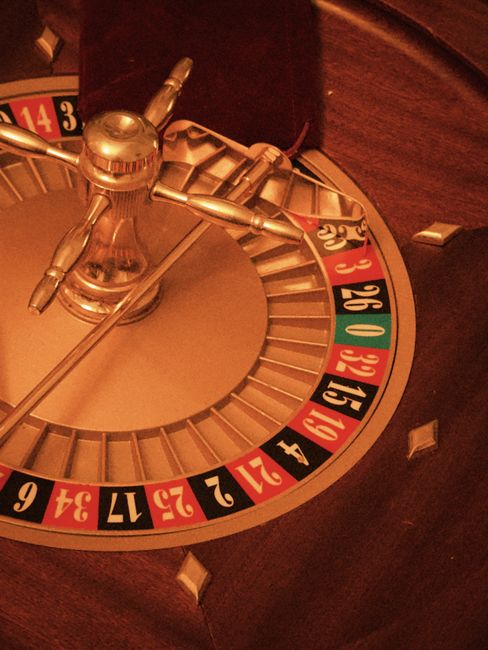
Here's a number that surprises almost everyone: a standard American roulette wheel has a house edge of 5.26%. That's it. On a European single-zero wheel, it drops to 2.7%. Blackjack played with basic strategy sits around 0.5% against a competent player. These aren't rigged games bleeding you dry on every spin. They're games where, over thousands of rounds, the operator collects a sliver of every bet — and that sliver compounds.
A casino running 10,000 bets an hour at an average of $10 per bet, with a 3% edge, is clearing roughly $3,000 an hour in theoretical profit. Not from cheating. From volume. That's the engine.
This is why slots dominate casino floors and online lobbies. A slot's house edge often runs between 2% and 10% depending on the title, but the game spins every few seconds and requires zero decisions. No strategy, no thinking, no fatigue. Pure throughput.
Roulette and blackjack need dealers, tables, and attention. A slot machine needs electricity.
Slots: Volatility Is the Real Story
Most players obsess over RTP — return to player — which is the long-run percentage a slot pays back. A 96% RTP game returns $96 for every $100 wagered across millions of spins. Useful, but incomplete. The number that actually shapes your session is volatility.
Two slots can have identical 96% RTP and feel nothing alike:
- Low volatility: frequent small wins, gradual bankroll erosion. Think classic 3-reel fruit machines.
- Medium volatility: balanced hits, moderate swings. The bulk of modern video slots.
- High volatility: long dry spells punctuated by massive payouts. Megaways titles often sit here.
If you load a high-volatility slot with a $20 bankroll and 20-cent spins, you may bust before the game's big feature ever triggers — not because it's rigged, but because you didn't match your stake to the variance. That's a math problem, not a luck problem.
Practical rule: on a high-volatility slot, you want a bankroll of at least 200–300 spins. Less than that and you're gambling on whether the feature lands in your window, not on the slot's design.
Betting: The Book Doesn't Fear You, It Files You
Sports betting looks simpler than casino games — pick a team, get paid. But the operator's edge lives in the margin, commonly called the vig or juice. On a typical two-way market, both sides priced at -110 means you risk $110 to win $100. Implied probability on each side is about 52.4%, so the book collects roughly 4.8% regardless of outcome.
Where it gets interesting is how books treat winners. A sharp bettor who consistently beats closing lines won't get banned, exactly. Instead: You can read more about it on kqbd.
- Their maximum stake gets quietly slashed.
- Bonus offers stop appearing.
- Withdrawal requests get delayed by "additional review."
The message is clear. Books welcome action, not edge. Recreational punters funding three-team parlays are the lifeblood. Anyone beating the number is a cost center.
If you're serious about betting, therefore, the skill isn't finding winners. It's line shopping. The difference between -105 and -110 across a full season is worth more than most people's entire "system."
Poker: The Only Game Where the House Doesn't Play
Poker sits apart from everything else in iGaming because the operator doesn't gamble. The house takes a rake — typically 5% of the pot, capped somewhere between $1 and $3 — and lets players fight over the rest. Skill determines your outcome.
That skill gap is massive. In micro-stakes online games, win rates of 5 to 10 big blinds per 100 hands are achievable for a strong player. At higher stakes, that drops to 2–3bb/100 because the opposition improves. The rake never changes.
Two things kill newer players faster than bad beats:
- Playing too many hands. Loose preflop ranges bleed chips without any dramatic loss to blame.
- Ignoring position. Acting last is worth more than holding better cards.
Tilt compounds both. The most profitable decision most players ever make is closing the table after a bad river, not chasing it back.
Worth noting: online poker rooms earn more from volume than from any single player's losses. Rake rewards regulars who play many tables at modest stakes, not whales.
The Hidden Variable: Speed and Access
iGaming's real innovation over brick-and-mortar isn't better odds — it's friction removal. No drive, no dress code, no cashier. You deposit with a thumbprint and spin within seconds.
That convenience cuts both ways. Land-based casinos have natural speed limits: you finish a hand, you wait for the next. An online slot in turbo mode can resolve a spin in under a second. A live roulette table runs on human timing. An RNG-driven crash game resolves instantly. Speed multiplies the house edge's effect on your bankroll per hour, even though the edge itself never changes.
Responsible operators now surface session timers, deposit limits, and reality checks — partly because regulators demand it, partly because losing customers permanently is bad business. If you play regularly, use them. A $50 weekly deposit limit is not a punishment. It's a seatbelt. Losing your rent money because you were 40 tabs deep at 3 a.m. is failure of judgment, not a rigged game.
What Actually Separates Winners From Everyone Else
There is no secret system. There's only clarity about what kind of game you're playing. Slots are entertainment with a built-in cost, like cinema tickets. Sports betting rewards line shopping and discipline, not loyalty to a favorite team. Poker rewards studying, patience, and emotional control. Casino table games reward basic strategy and refusing side bets.
The people who do well over the long term tend to share a few boring traits. They set session budgets before logging in and stop when the budget's gone. They treat bonuses as math problems — read the wagering requirements before depositing, not after. They keep records. They don't chase losses or double stakes out of frustration.
And they know the house edge exists, accepts it, and plays anyway for the same reason people pay to ride rollercoasters. iGaming is entertainment with a cost structure attached. Treat it as anything more — a retirement plan, a system, a way to get even — and the edge stops being a sliver. It becomes a wall.